What information can be obtained from IP address?
 Chan
Chan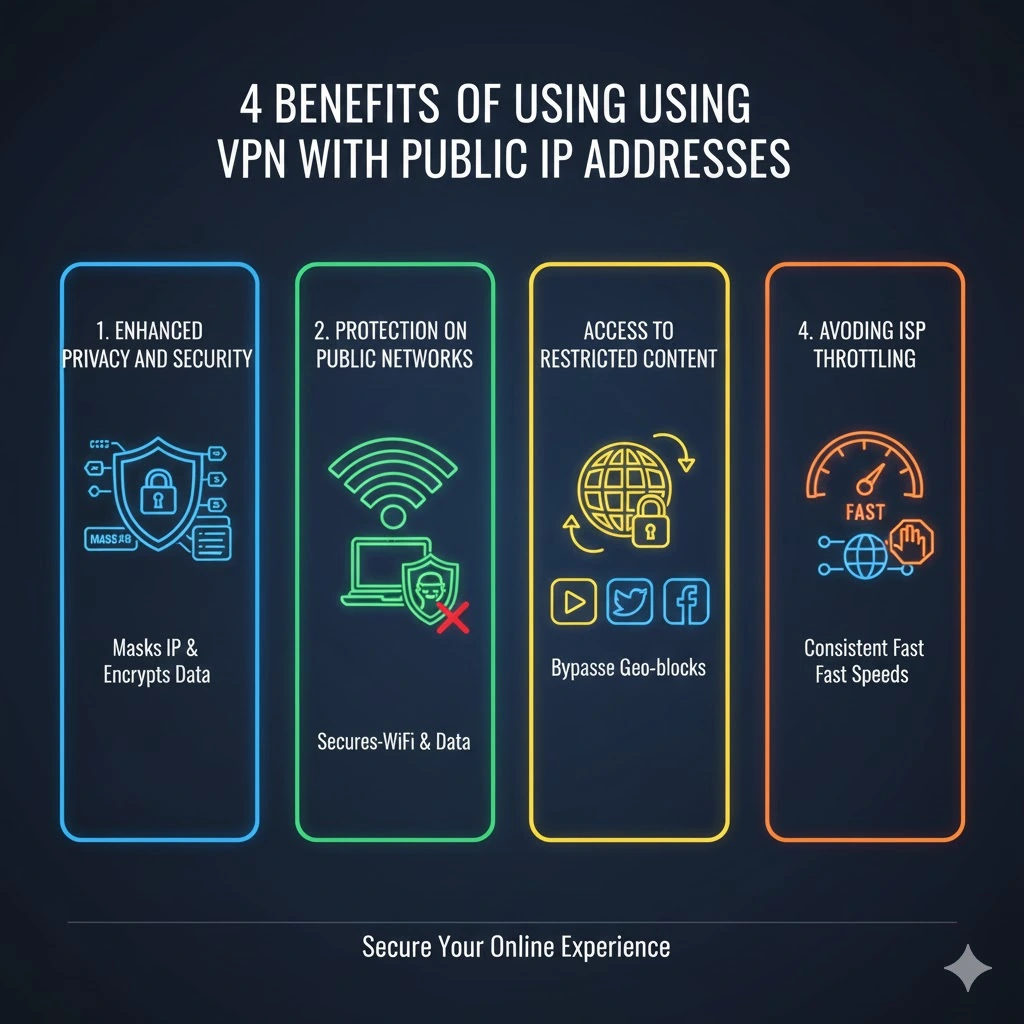
The IP address is a fundamental component of the internet, acting as a unique identifier for devices connected to the network. While it serves a crucial role in routing data, the information that can be derived from an IP address alone can be quite revealing. Here’s a detailed look at what can be gleaned purely from IP addresses.
Table of Contents
1. Geolocation
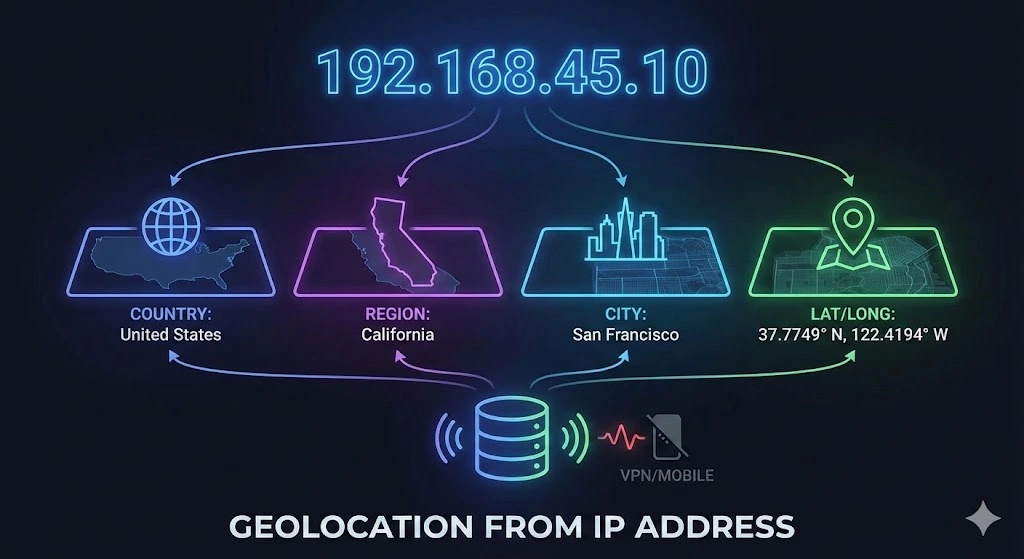
One of the most common pieces of information derived from an IP address is geolocation. By analyzing the IP address, one can determine:
Country: The broadest level of location data, indicating the country where the IP address is registered.
Region or State: Within a country, the IP address can often be traced to a specific state or region.
City: More precise geolocation services can pinpoint the city in which the IP address is being used.
Latitude and Longitude: Some advanced geolocation services provide approximate coordinates, though these are not always highly accurate.
Geolocation data is gathered through databases that map IP address ranges to specific locations. However, it’s important to note that this data is approximate and can sometimes be inaccurate, particularly for mobile networks or VPN users.
2. Internet Service Provider (ISP)
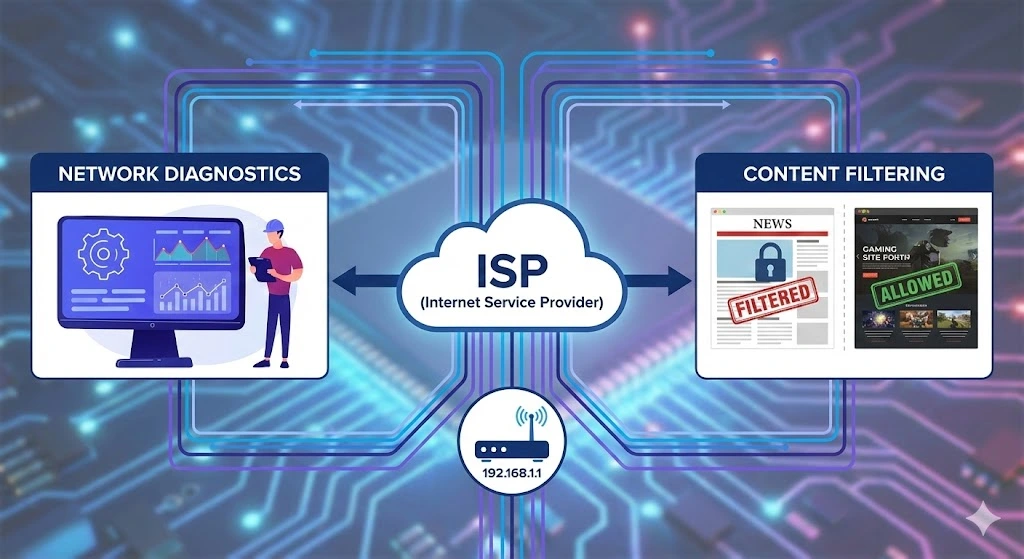
Each IP address is assigned by an ISP, and from the IP address, you can often determine which ISP is providing the service. This information is useful for various purposes, including:
Network Diagnostics: Identifying the ISP can help diagnose network issues or performance problems.
Content Filtering: Websites and services may use this information to tailor content based on ISP policies or agreements.
3. Hostname
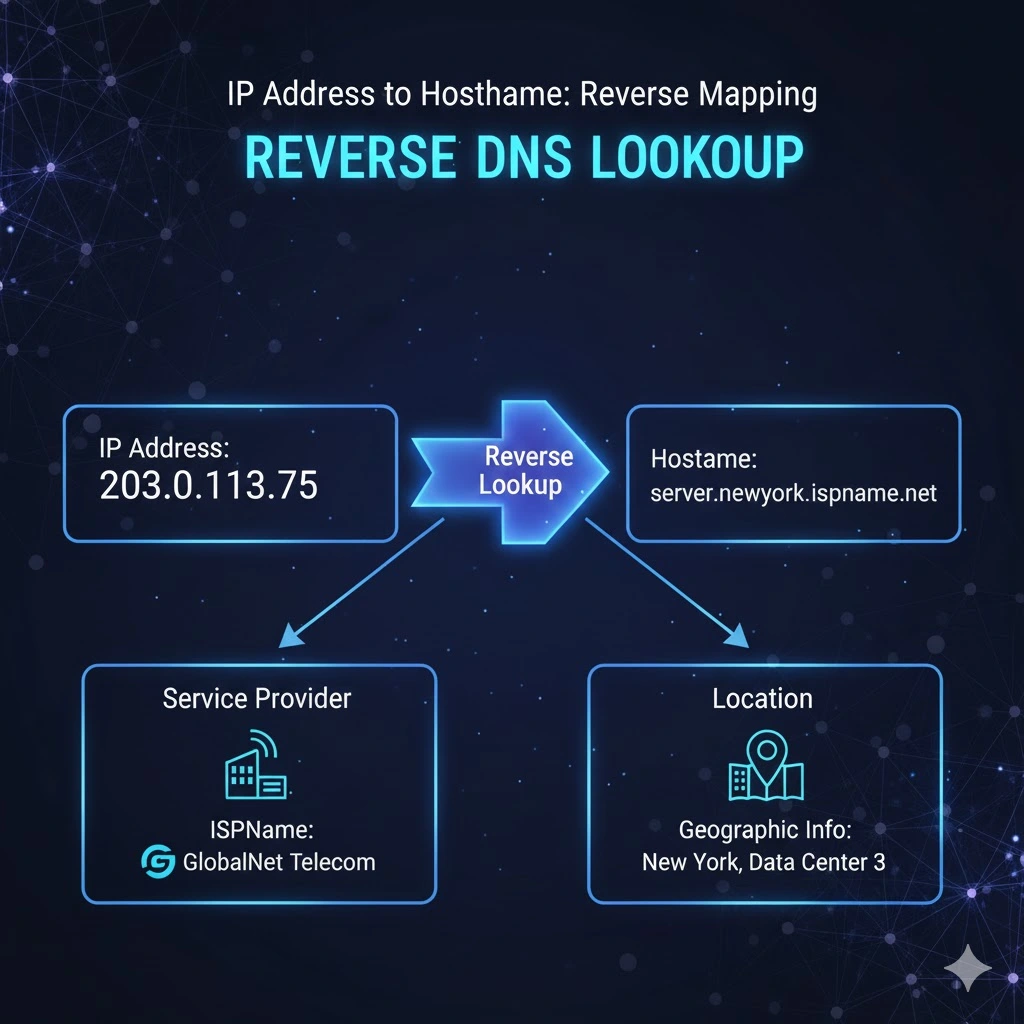
An IP address can be reverse-mapped to a hostname, which is a human-readable label associated with the IP address. This process is known as a reverse DNS lookup. The hostname can provide insights such as:
Service Provider: The name of the ISP or organization that owns the IP address.
Location: Sometimes, the hostname includes geographic information or data center names.
4. Network Type
The type of network associated with an IP address can also be determined. This includes:
Residential networks: are typically used by individual consumers at home.
Business networks: are used by companies and organizations for business operations.
Data Centers: IP addresses assigned to servers in data centers, often used for hosting websites or online services.
5. Potential Usage Patterns
While not as straightforward, analyzing IP addresses can sometimes reveal usage patterns. For example:
Frequent Changes: Dynamic IP addresses that change frequently might indicate a mobile user or a DHCP-configured network.
Static IPs: Static IP addresses, which remain constant, are often used for servers or business networks.
Limitations and Privacy Considerations
Despite the valuable information that can be gleaned from an IP address, there are limitations and privacy considerations:
Approximation: Geolocation data is approximate and not always precise. It can sometimes be off by significant distances, particularly in rural areas.
Anonymity Tools: Users can employ VPNs, proxies, and other tools to mask their real IP addresses, making it difficult to derive accurate information.
Legal and Ethical Use: Accessing and using IP address data must comply with legal and ethical guidelines. Unauthorized tracking or data collection can infringe on privacy rights.
Conclusion
An IP address can provide a wealth of information, including geolocation, ISP details, hostnames, network types, and potential usage patterns. However, it’s important to recognize the limitations and respect privacy concerns when interpreting and using this data. Understanding what can be gleaned from an IP address helps in network diagnostics, security, and optimizing online services, but it must always be done responsibly and ethically.
For more detailed insights into IP address management and internet technologies, consider visiting larus.net, a leading provider of IP solutions and services.
Trusted IPv4 Leasing for Business Growth
Get enterprise-grade IPv4 space quickly, with seamless deployment and end-to-end management.
Get Started with i.leaseFAQs
Can someone find my exact home address from my IP address?
No. An IP address typically reveals your approximate location (Country, City, and ISP), but it does not contain your physical street address or name. Only your Internet Service Provider (ISP) knows the exact address linked to an IP, and they will only share this information with law enforcement agencies if presented with a legal warrant.
Can an IP address reveal my identity?
Not directly. An IP address identifies a device or network, not a person. However, advertisers and websites can combine your IP address with other data (like cookies, login history, and browsing behavior) to create a “digital fingerprint” that can indirectly identify you.
Can hackers access my personal files using my IP address?
Potentially, yes. While an IP address alone is not a password, it acts as a digital “address” to your device. If your network has weak security (no firewall, open ports, or outdated software), a skilled hacker could use your IP address to scan for vulnerabilities and attempt to gain unauthorized access to your device.
Related Posts
How much does a /24 IPv4 block cost in 2026?
IPv4 scarcity continues to shape internet infrastructure, with /24 blocks still trading actively on global markets despite growing IPv6 adoption. Key points A /24 IPv4 block usually costs between $6,000 and $15,000 in 2026. Cloud providers, hosting companies and SaaS providers need IPv4 addresses so prices stay high. IPv4 addresses are like an asset because they are scarce. What is a /24 IPv4 block A /24 IPv4 blockRead more Related Posts How much does a /24 IPv4 block cost in 2026? IPv4 scarcity continues to shape internet infrastructure, with /24 blocks still trading actively on global markets despite growing IPv6 adoption. Key Read more The future of IPv4 markets Despite IPv6 expansion, scarcity keeps IPv4 valuable, sustaining a global secondary market where addresses increasingly function as tradable digital assets.Finite Read more Common Myths About Selling IP Addresses The IPv4 secondary market is often shrouded in mystery, leading many organizations to sit on valuable digital assets because they Read more .related-post {} .related-post .post-list { text-align: left; } .related-post .post-list .item { margin: 5px; padding: 10px; } .related-post .headline { font-size: 18px !important; color: #999999 !important; } .related-post .post-list .item .post_thumb { max-height: 220px; margin: 10px 0px; padding: 0px; display: block; } .related-post .post-list .item .post_title { font-size: 16px; color: #3f3f3f; margin: 10px 0px; padding: 0px; display: block; text-decoration: none; } .related-post .post-list .item .post_excerpt { font-size: 13px; color: #3f3f3f; margin: 10px 0px; padding: 0px; display: block; text-decoration: none; } @media only screen and (min-width: 1024px) { .related-post .post-list .item { width: 30%; } } @media only screen and (min-width: 768px) and (max-width: 1023px) { .related-post .post-list .item { width: 90%; } } @media only screen and (min-width: 0px) and (max-width: 767px) { .related-post .post-list .item { width: 90%; } }
The future of IPv4 markets
Despite IPv6 expansion, scarcity keeps IPv4 valuable, sustaining a global secondary market where addresses increasingly function as tradable digital assets. Finite IPv4 supply has created a mature secondary market where address blocks are bought, sold and leased worldwide. Prices fluctuate, but persistent demand from cloud, hosting and AI infrastructure suggests IPv4 markets will remain active for years. What happened The rise of a digital commodity The global market forRead more Related Posts How much does a /24 IPv4 block cost in 2026? IPv4 scarcity continues to shape internet infrastructure, with /24 blocks still trading actively on global markets despite growing IPv6 adoption. Key Read more The future of IPv4 markets Despite IPv6 expansion, scarcity keeps IPv4 valuable, sustaining a global secondary market where addresses increasingly function as tradable digital assets.Finite Read more Common Myths About Selling IP Addresses The IPv4 secondary market is often shrouded in mystery, leading many organizations to sit on valuable digital assets because they Read more .related-post {} .related-post .post-list { text-align: left; } .related-post .post-list .item { margin: 5px; padding: 10px; } .related-post .headline { font-size: 18px !important; color: #999999 !important; } .related-post .post-list .item .post_thumb { max-height: 220px; margin: 10px 0px; padding: 0px; display: block; } .related-post .post-list .item .post_title { font-size: 16px; color: #3f3f3f; margin: 10px 0px; padding: 0px; display: block; text-decoration: none; } .related-post .post-list .item .post_excerpt { font-size: 13px; color: #3f3f3f; margin: 10px 0px; padding: 0px; display: block; text-decoration: none; } @media only screen and (min-width: 1024px) { .related-post .post-list .item { width: 30%; } } @media only screen and (min-width: 768px) and (max-width: 1023px) { .related-post .post-list .item { width: 90%; } } @media only screen and (min-width: 0px) and (max-width: 767px) { .related-post .post-list .item { width: 90%; } }
Inbound vs. Outbound IPv4 Leasing: A Complete Guide for Enterprises
Understanding IPv4 leasing helps enterprises manage scarce address space, reducing risk and unlocking strategic growth opportunities in today’s digital economy. Key points Distinguishes between inbound (leasing in) and outbound (leasing out) IPv4 approaches and their strategic implications. Highlights contract structures, registry risk management and continuity considerations affecting global number resources. Inbound vs. outbound IPv4 leasing: complete enterprise guide In the post-exhaustion era of Internet Protocol version 4 (IPv4),Read more Related Posts How much does a /24 IPv4 block cost in 2026? IPv4 scarcity continues to shape internet infrastructure, with /24 blocks still trading actively on global markets despite growing IPv6 adoption. Key Read more The future of IPv4 markets Despite IPv6 expansion, scarcity keeps IPv4 valuable, sustaining a global secondary market where addresses increasingly function as tradable digital assets.Finite Read more Common Myths About Selling IP Addresses The IPv4 secondary market is often shrouded in mystery, leading many organizations to sit on valuable digital assets because they Read more .related-post {} .related-post .post-list { text-align: left; } .related-post .post-list .item { margin: 5px; padding: 10px; } .related-post .headline { font-size: 18px !important; color: #999999 !important; } .related-post .post-list .item .post_thumb { max-height: 220px; margin: 10px 0px; padding: 0px; display: block; } .related-post .post-list .item .post_title { font-size: 16px; color: #3f3f3f; margin: 10px 0px; padding: 0px; display: block; text-decoration: none; } .related-post .post-list .item .post_excerpt { font-size: 13px; color: #3f3f3f; margin: 10px 0px; padding: 0px; display: block; text-decoration: none; } @media only screen and (min-width: 1024px) { .related-post .post-list .item { width: 30%; } } @media only screen and (min-width: 768px) and (max-width: 1023px) { .related-post .post-list .item { width: 90%; } } @media only screen and (min-width: 0px) and (max-width: 767px) { .related-post .post-list .item { width: 90%; } }