IP Address Leasing: How to lease IP Addresses
 Chan
Chan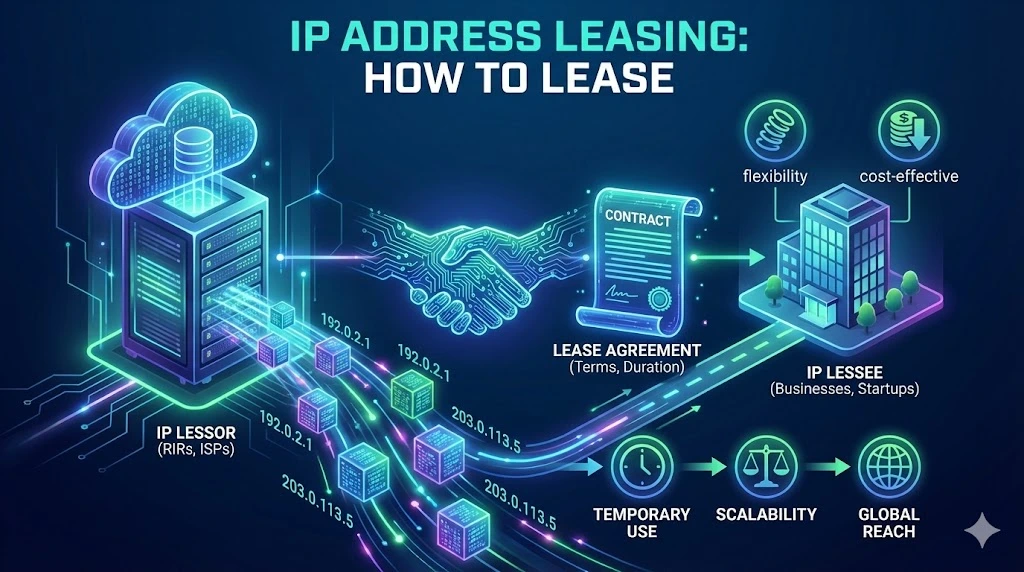
The digital world we navigate today relies heavily on IP addresses, unique identifiers assigned to devices connected to the internet or a local network. As the demand for IP addresses continues to rise, businesses and individuals are exploring various options to secure the necessary resources. One increasingly popular method is IP address leasing. This article delves into the concept of leasing IP addresses, its benefits, and why it has become a viable solution for many.
Table of Contents
What is IP Address Leasing?
IP address leasing involves renting IP addresses from a service provider rather than purchasing them outright. This model provides flexibility and scalability, making it an attractive option for businesses with fluctuating or temporary needs. Leasing can be particularly beneficial in managing IPv4 addresses, which are becoming scarce due to the exponential growth of internet-connected devices.
Benefits of Leasing IP Addresses
Cost-effective
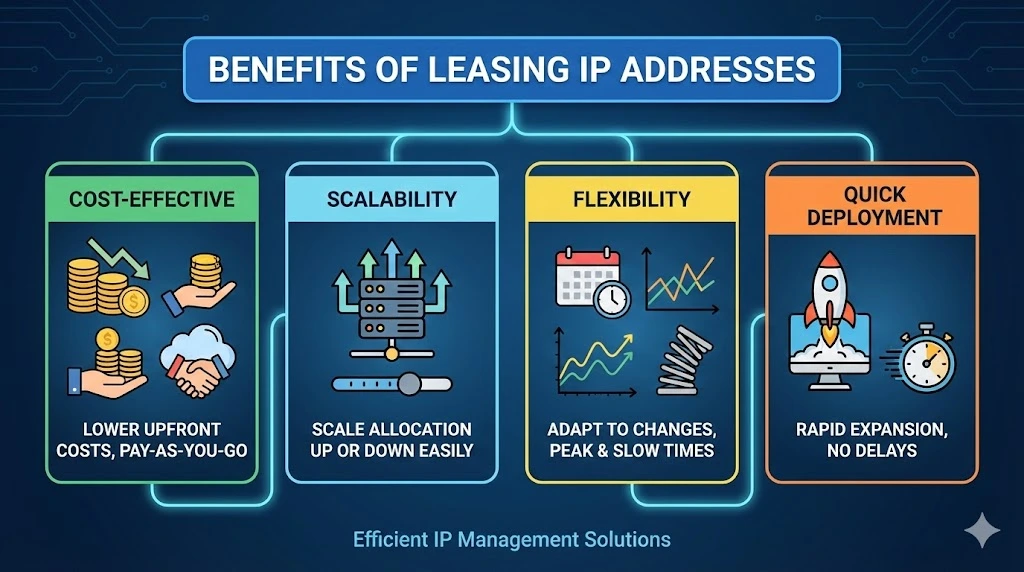
Purchasing IP addresses can be a significant investment, especially for small to medium-sized businesses. Leasing offers a more affordable alternative, allowing companies to pay for addresses only when they need them, reducing upfront costs.
Scalability
Businesses often experience changes in their IP address requirements. Leasing allows them to scale their address allocation up or down based on current needs without the long-term commitment of ownership.
Flexibility
IP address leasing provides the flexibility to adapt to market changes and business expansions. Companies can lease additional addresses during peak periods and reduce their usage during slower times.
Quick Deployment
Leasing enables rapid deployment of IP addresses, which is crucial for businesses that need to expand their network quickly or launch new services without delays.
Process of Leasing IP Addresses
1. Assessment of Needs
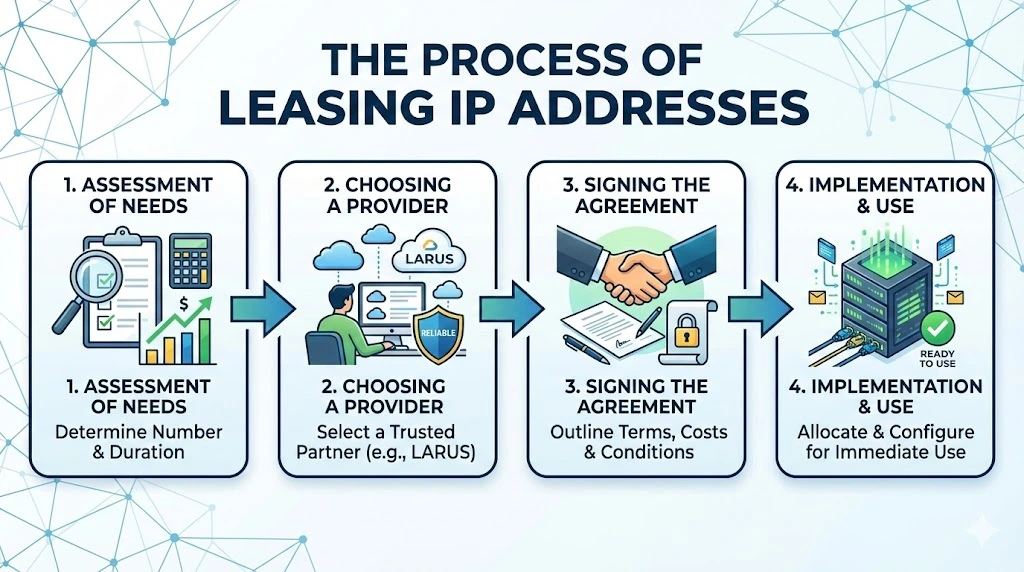
The first step in leasing IP addresses is to assess the specific requirements of your business. This includes determining the number of addresses needed and the duration of the lease.
2. Choosing a Provider
Select a reliable IP address leasing provider. Companies like LARUS specialize in leasing IPv4 addresses and offer various plans to suit different needs.
3. Signing the Agreement
Once a provider is chosen, you will need to sign a lease agreement. This document outlines the terms of the lease, including duration, cost, and conditions for renewal or termination.
4. Implementation
After the agreement is signed, the provider will allocate the leased IP addresses to your business. These addresses can then be configured on your network, allowing immediate use.
Why Lease IP Addresses?
Address Scarcity
The shortage of IPv4 addresses has made leasing a practical solution. As IPv4 addresses become increasingly scarce, leasing ensures that businesses can still obtain the addresses they need without incurring the high cost of purchasing them.
Transition to IPv6
While IPv6 adoption is growing, many businesses still rely on IPv4. Leasing provides a bridge during this transition, allowing companies to maintain their operations while gradually integrating IPv6.
Regulatory Compliance
Some industries have specific requirements for IP address management. Leasing from a reputable provider can help ensure compliance with these regulations.
Leasing IP addresses is an efficient and flexible solution for businesses needing to manage their network resources effectively. It offers numerous benefits, including cost savings, scalability, and rapid deployment, making it an attractive option in today’s digital landscape. As the demand for IP addresses continues to grow, leasing provides a practical alternative to purchasing, ensuring that businesses can meet their connectivity needs without substantial financial investment.
For more information on IP address leasing and to explore available options, talk to us.
Trusted IPv4 Leasing for Business Growth
Get enterprise-grade IPv4 space quickly, with seamless deployment and end-to-end management.
Get Started with i.leaseFAQs
How much does it cost to lease an IPv4 address?
The average market rate for leasing an IPv4 address typically ranges from $0.35 to $0.60 per IP per month, depending on the block size (e.g., /24 vs. /16) and the lease duration. Larger blocks and longer contracts often secure lower per-IP rates.
How quickly can I use the leased IPs?
Unlike buying IPs, which can take weeks to transfer, leasing is almost instant. Once the agreement is signed and the Letter of Authorization (LOA) is issued, you can typically start advertising the IPs on your network within 24 to 48 hours.
Can I use leased IPs for Email Marketing (SMTP)
Yes, but most providers require you to state this use case upfront. Reputable lessors will check the “IP Reputation” before leasing to you and expect you to maintain a clean reputation. If you use the IPs for spam, the lessor reserves the right to terminate the contract immediately to protect the asset’s value.
Related Posts
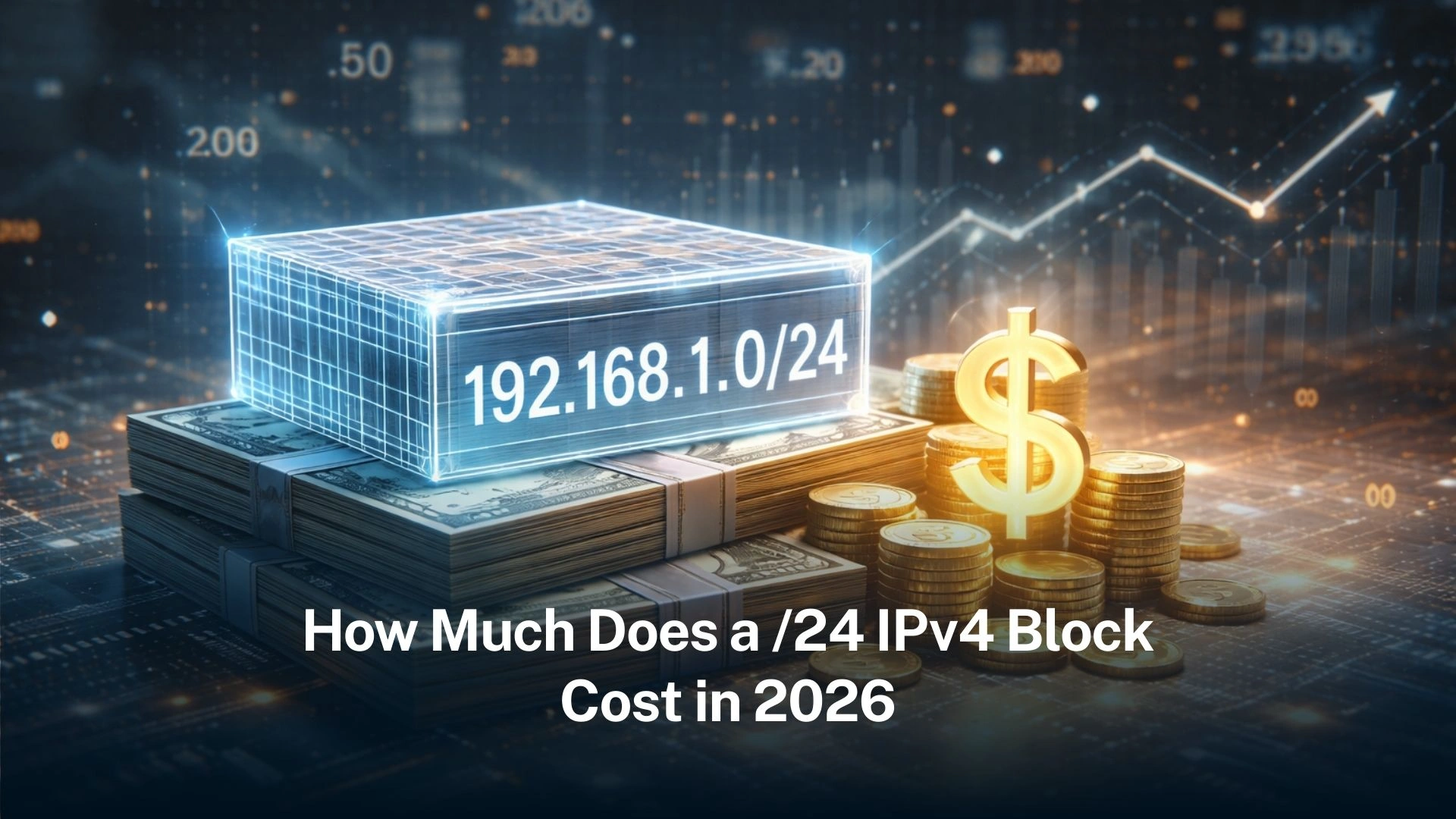
How much does a /24 IPv4 block cost in 2026?
IPv4 scarcity continues to shape internet infrastructure, with /24 blocks still trading actively on global markets despite growing IPv6 adoption. Key points A /24 IPv4 block usually costs between $6,000 and $15,000 in 2026. Cloud providers, hosting companies and SaaS providers need IPv4 addresses so prices stay high. IPv4 addresses are like an asset because they are scarce. What is a /24 IPv4 block A /24 IPv4 blockRead more Related Posts How much does a /24 IPv4 block cost in 2026? IPv4 scarcity continues to shape internet infrastructure, with /24 blocks still trading actively on global markets despite growing IPv6 adoption. Key Read more The future of IPv4 markets Despite IPv6 expansion, scarcity keeps IPv4 valuable, sustaining a global secondary market where addresses increasingly function as tradable digital assets.Finite Read more Common Myths About Selling IP Addresses The IPv4 secondary market is often shrouded in mystery, leading many organizations to sit on valuable digital assets because they Read more .related-post {} .related-post .post-list { text-align: left; } .related-post .post-list .item { margin: 5px; padding: 10px; } .related-post .headline { font-size: 18px !important; color: #999999 !important; } .related-post .post-list .item .post_thumb { max-height: 220px; margin: 10px 0px; padding: 0px; display: block; } .related-post .post-list .item .post_title { font-size: 16px; color: #3f3f3f; margin: 10px 0px; padding: 0px; display: block; text-decoration: none; } .related-post .post-list .item .post_excerpt { font-size: 13px; color: #3f3f3f; margin: 10px 0px; padding: 0px; display: block; text-decoration: none; } @media only screen and (min-width: 1024px) { .related-post .post-list .item { width: 30%; } } @media only screen and (min-width: 768px) and (max-width: 1023px) { .related-post .post-list .item { width: 90%; } } @media only screen and (min-width: 0px) and (max-width: 767px) { .related-post .post-list .item { width: 90%; } }
The future of IPv4 markets
Despite IPv6 expansion, scarcity keeps IPv4 valuable, sustaining a global secondary market where addresses increasingly function as tradable digital assets. Finite IPv4 supply has created a mature secondary market where address blocks are bought, sold and leased worldwide. Prices fluctuate, but persistent demand from cloud, hosting and AI infrastructure suggests IPv4 markets will remain active for years. What happened The rise of a digital commodity The global market forRead more Related Posts How much does a /24 IPv4 block cost in 2026? IPv4 scarcity continues to shape internet infrastructure, with /24 blocks still trading actively on global markets despite growing IPv6 adoption. Key Read more The future of IPv4 markets Despite IPv6 expansion, scarcity keeps IPv4 valuable, sustaining a global secondary market where addresses increasingly function as tradable digital assets.Finite Read more Common Myths About Selling IP Addresses The IPv4 secondary market is often shrouded in mystery, leading many organizations to sit on valuable digital assets because they Read more .related-post {} .related-post .post-list { text-align: left; } .related-post .post-list .item { margin: 5px; padding: 10px; } .related-post .headline { font-size: 18px !important; color: #999999 !important; } .related-post .post-list .item .post_thumb { max-height: 220px; margin: 10px 0px; padding: 0px; display: block; } .related-post .post-list .item .post_title { font-size: 16px; color: #3f3f3f; margin: 10px 0px; padding: 0px; display: block; text-decoration: none; } .related-post .post-list .item .post_excerpt { font-size: 13px; color: #3f3f3f; margin: 10px 0px; padding: 0px; display: block; text-decoration: none; } @media only screen and (min-width: 1024px) { .related-post .post-list .item { width: 30%; } } @media only screen and (min-width: 768px) and (max-width: 1023px) { .related-post .post-list .item { width: 90%; } } @media only screen and (min-width: 0px) and (max-width: 767px) { .related-post .post-list .item { width: 90%; } }
Inbound vs. Outbound IPv4 Leasing: A Complete Guide for Enterprises
Understanding IPv4 leasing helps enterprises manage scarce address space, reducing risk and unlocking strategic growth opportunities in today’s digital economy. Key points Distinguishes between inbound (leasing in) and outbound (leasing out) IPv4 approaches and their strategic implications. Highlights contract structures, registry risk management and continuity considerations affecting global number resources. Inbound vs. outbound IPv4 leasing: complete enterprise guide In the post-exhaustion era of Internet Protocol version 4 (IPv4),Read more Related Posts How much does a /24 IPv4 block cost in 2026? IPv4 scarcity continues to shape internet infrastructure, with /24 blocks still trading actively on global markets despite growing IPv6 adoption. Key Read more The future of IPv4 markets Despite IPv6 expansion, scarcity keeps IPv4 valuable, sustaining a global secondary market where addresses increasingly function as tradable digital assets.Finite Read more Common Myths About Selling IP Addresses The IPv4 secondary market is often shrouded in mystery, leading many organizations to sit on valuable digital assets because they Read more .related-post {} .related-post .post-list { text-align: left; } .related-post .post-list .item { margin: 5px; padding: 10px; } .related-post .headline { font-size: 18px !important; color: #999999 !important; } .related-post .post-list .item .post_thumb { max-height: 220px; margin: 10px 0px; padding: 0px; display: block; } .related-post .post-list .item .post_title { font-size: 16px; color: #3f3f3f; margin: 10px 0px; padding: 0px; display: block; text-decoration: none; } .related-post .post-list .item .post_excerpt { font-size: 13px; color: #3f3f3f; margin: 10px 0px; padding: 0px; display: block; text-decoration: none; } @media only screen and (min-width: 1024px) { .related-post .post-list .item { width: 30%; } } @media only screen and (min-width: 768px) and (max-width: 1023px) { .related-post .post-list .item { width: 90%; } } @media only screen and (min-width: 0px) and (max-width: 767px) { .related-post .post-list .item { width: 90%; } }